Journal · June 18, 2026 · 4 min read
Sitting vs. standing: what actually helps
Standing all day isn't the goal — movement is. A practical look at sit-stand rhythm and how to make switching positions effortless enough to actually do.
Standing desks got sold as the antidote to sitting, and then the backlash arrived: standing rigid for eight hours isn't great for you either. Both takes miss the useful point. Your body isn't built for any single position held all day — it's built to change positions.
The rhythm beats the posture
The practical pattern most ergonomists land on is some version of sit-stand-move cycling through the day — sit for a stretch of focused work, stand for the next block, walk for a couple of minutes every hour. The exact minutes matter less than the switching itself.
Why most people stop switching
Friction. If changing position means cranking a desk, rearranging monitors, or losing your flow for five minutes, you'll do it twice and never again. The setups people stick with are the ones where switching takes seconds.
Making the switch cost nothing
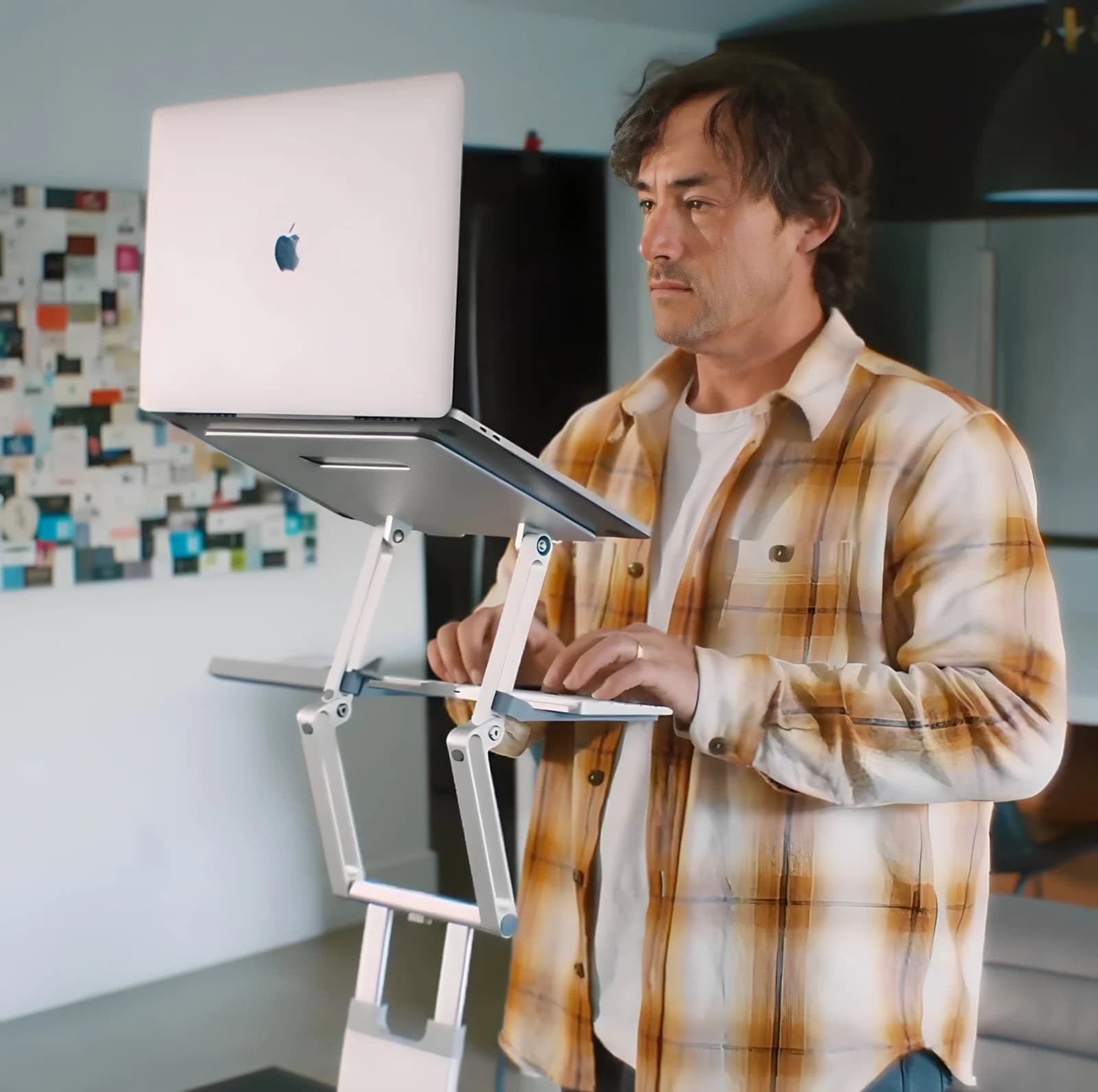
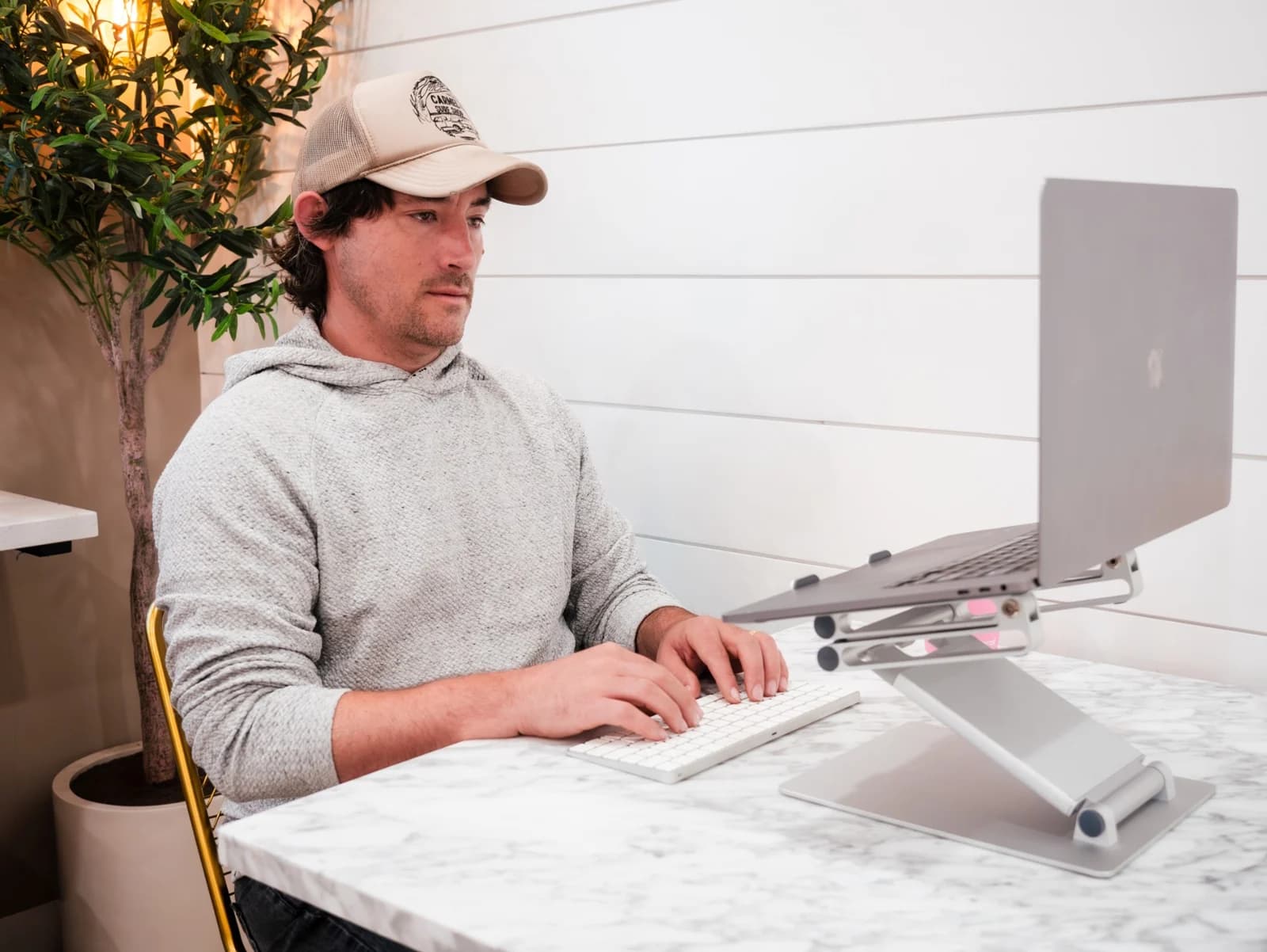
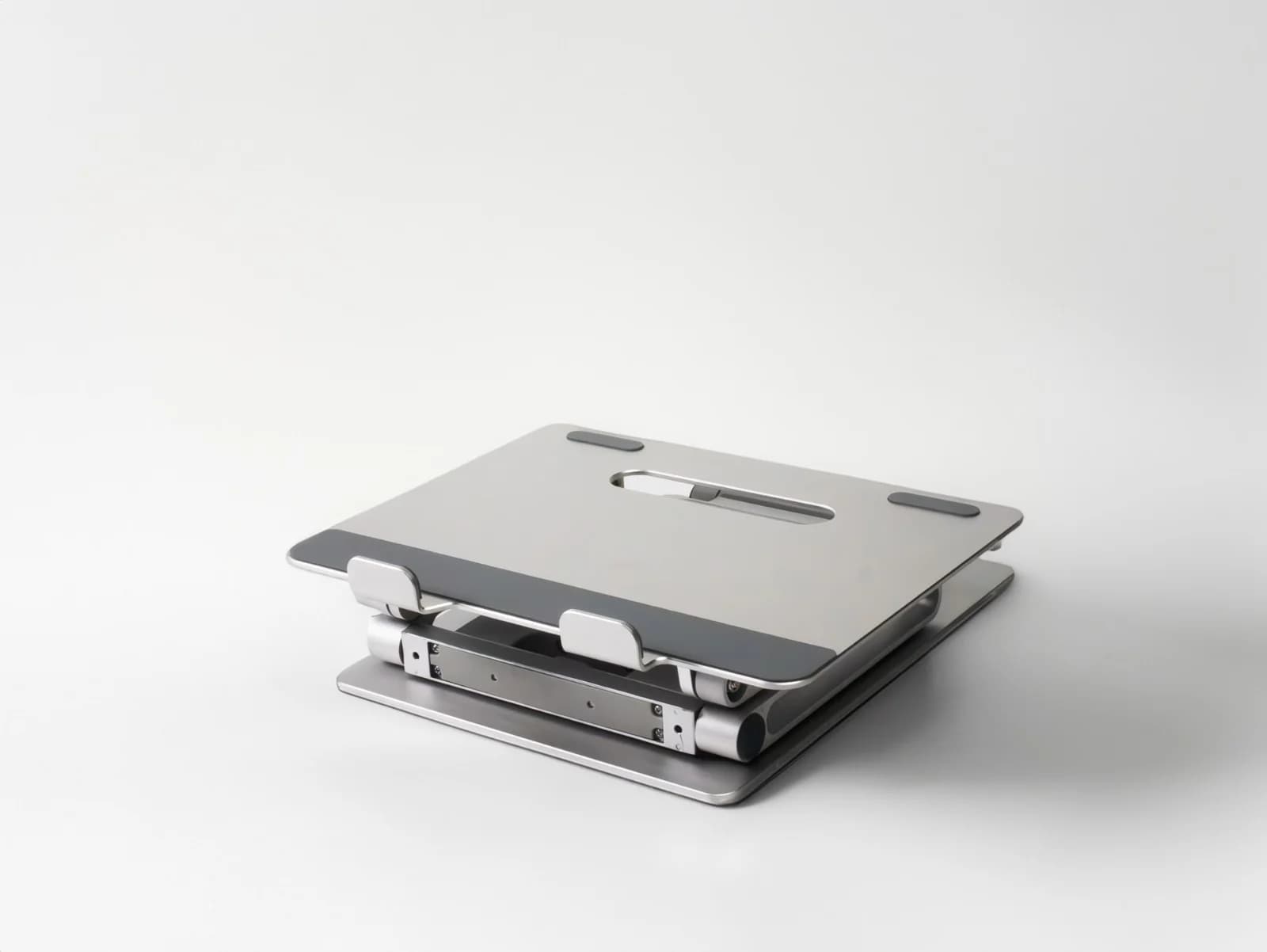
This is where a one-hinge tool earns its keep. DriftDesk goes from sitting-height riser to full standing desk in about ten seconds, on the same table, without unplugging anything. When standing costs ten seconds, you'll actually stand — that's the whole trick.
- Sit for deep-focus blocks; stand for calls, email, and review work.
- Change position when you change tasks — the task switch is a free reminder.
- Keep water far enough away that refilling it forces a walk.
Meet the desk this journal is about.
$159.99 · Free 3‑day US shipping · 30‑day returns · Keyboard & mouse attachment included
Want the full story? See the DriftDesk overview →